مواقع التدريسيينجامعة الكوفة
0Publications
0Lectures
0Interests
0News

About

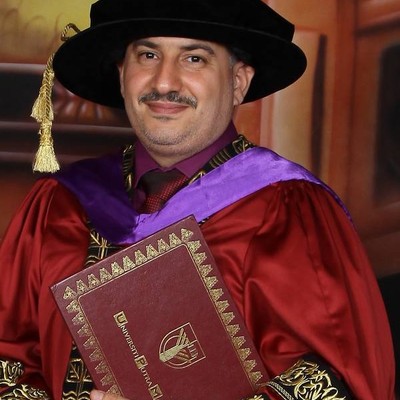
Lecture in Faculty of Veterinary Medicine / University of Kufa
BVMS from faculty of Veterinary Medicine - University of Baghdad 2006
MSc in Theriogenology from faculty of Veterinary Medicine - University of Baghdad 2009

PhD in Theriogenology and Cytogenetics from Faculty of Veterinary Medicine / University Putra Malaysia UPM

Research Interests

5

Publications

23
2021

Effect of vitrification on spermatozoa quality in bull semen

AuthorsFalah Baiee, Bassam Ali Al-Wahab , Asaad Alaa Almusawi, Lee Lian Yu , Wan-Nor Fitri , Abd Wahid Haron , Ghadeer Sabah Bustani
JournalEurasian Journal of Biosciences
Abstract

Abstract Cryopreservation of spermatozoa is part of the assisted reproductive biotechnology to enhance reproductive capacity in livestock. Conventional cryopreservation applies slow-gradual freezing method permitted ice crystallization and causes cryodamage resulting in poor post-thawed semen quality. Hence, vitrification is introduced by solidifying the solution into glassy state without causing any crystallization in fast and inexpensive manner. This ultra-rapid cooling method requires high concentration of cryoprotectants that potentially toxic the spermatozoa. Therefore, this study was conducted to determine the effect of vitrification on the quality of bull semen. A total of 24 bull semen samples were collected using an electro-ejaculation technique. Tris-based extender was compared with vitrification using solution of different concentration of cryoprotectants at 10% (Vitrification Solution 1; VS-1) and 20% (VS-2) containing dimethyl sulfoxide (DMSO) and ethylene glycol respectively. The result revealed that high mortality and nearly zero motility in all post-warmed vitrified spermatozoa, but the general and progressive motilities parameters in VS-1 at initial evaluation was 22.45% and 24.87% respectively better than Tris-based extender and was statistically significant. In conclusion, vitrification has potential as an alternative for cryopreservation. Therefore, further research on spermatozoa vitrification technique on enhancement in cooling and warming should be conducted and investigated.

2020

Can Panax Ginseng Aqueous Extract Improve Chilled and Cryopreserved Bull Spermatozoa?

AuthorsFalah Baiee, Abd Wahid Haron, Murtadha A. AL-mudhafr, Innocent Damudu Peter & Nurhusien Yimer
JournalAgricultural Science
Abstract

This study was to evaluate the influence of Panax ginseng aqueous extract on chilled and frozen thawed bull sperm quality. Samples of semen were acquired from four bulls through the use of an electro ejaculator. Extension of the semen was done with tris egg yolk diluent which was augmented with 0.0, 0.25, 0.5, 1.0, 2.5, 5.0, and 7.5 mg/mL Panax ginseng aqueous extract. Diluted chilled portions of the semen were chilled for 6 days at 5 ̊C whereas the frozen semen was cryopreserved in liquid nitrogen. Results revealed that in chilled and frozen thawed semen, the control group, T 1 and T 2 recorded higher percentages in terms of sperm motility and viability in all three groups evaluated compared to o thers, while the high dose of Panax ginseng aqueous extract in T 6 and T 5 recorded the lowest percentage. Moreover, the values of sperm morphology for chilled and frozen thawed semen were not significant among the groups. The results of chromatin stability of the present study showed that T 2 and control were higher than for other groups. In conclusion, the low dosage groups (T 1 , T2 and T 3 ) which were received (0.25 mg/mL, 0.5 mg/mL and 1 mg/mL, respectively) from Panax ginseng aqueous extract were not signif icant as compared with the control group while high dosage groups (T 4 , T 5 and T 6 ) which were received (2.5 mg/mL, 5 mg/mL and 7.5 mg/mL, respectively) from Panax ginseng aqueous extract were highly decreased spermatozoa characteristics.

2020

EFFECTS OF DIETARY RUE (RUTA GRAVEOLENS) EXTRACT ON THE COURTSHIP BEHAVIORS AND SEXUAL HORMONES OF MALE GUPPY (POECILIA RETICULATE)

AuthorsAli M. Kane, Falah H. Baiee and Eqbal S. Najem
JournalBiochem. Cell. Arch.
Abstract

ABSTRACT : Rue (Ruta graveolens L.) is a medicinal plant that despite the anti-androgenic effects is currently used for treatment of various disorders. This study was conducted to investigate the effects of dietary supplementation of the Rue (R. graveolens L.) extract (1, 10 and 100 mg/kg in feed) on the courtship behaviors and sexual hormones of adult male guppy (Poecilia reticulate) for 30 days. Fish were fed 100 mg/kg Rue extract that showed a significant increase in 17 â-estradiol (E2) level, while the testosterone (T) level and the ratio of T/E2 were significantly decreased compared to the control group. Furthermore, Rue dietary significantly decreased the courtship behaviors in the male guppy in a dose-depended manner. The males at the highest dose group (100 mg/kg) showed less copulation attempts, in compare to control males. In addition, times spent in sigmoid display and with the females were significantly decreased in the males fed diets containing 10 and 100 mg/ kg of Rue extract. Furthermore, there was a positive correlation between courtship behaviors and T level, while negatively correlated with E2 concentrations. In conclusion, these results indicate that R. graveolens acts as anti-androgenic endocrine disruptor, and adversely affected the courtship behaviors and sex hormones of maleguppy, which can result in impaired reproduction.

2020

Effects of Different Holding Temperatures before Freezing on the Quality of Bull Semen

AuthorsFalah Baiee, Majed Abed Talal Al-Fatlawy, Hussein Kareem Ibraheim, Wan-Nor Fitri, Ivy Shuk Yee, Abd Wahid Haron
JournalMedico Legal Update
Abstract

Abstract A study was conducted to evaluate the effect of different holding temperature before freezing on the motility, morphology and viability of chilled and frozen spermatozoa. Semen was performed from four mature bulls by electro-ejaculator. After initial evaluation and first dilution using Tris-egg yolk semen extender, four groups of diluted semen samples were kept in four different holding temperatures (4°C, 15°C, 25°C and 37°C) for 10 minutes. All semen samples were subsequently chilled in refrigerator at 4°C for at least 3 hours. Post chilling evaluation was done after second dilution with the same extender added with glycerol. The semen samples were packed into 0.25 ml straws before freezing into liquid nitrogen. Thawing of frozen semen samples were done on day 1 post cryopreservation in water maintained at 37°C for 30 seconds. Semen evaluation was conducted post thawing. The results showed that there were no significant difference among the four different holding temperatures for the post chilling and frozen-thawed sperm motility, morphology and viability. Based on the findings of this study, it can be concluded that 10 minutes holding time at different holding temperatures before freezing did not affect the quality of chilled and frozen bull spermatozoa.

2019

Comparative study between the excision-ligation and autoligation of vas deferens technique for teaser rams preparation

AuthorsDhurgham Hameed Al Haideri, Hussein Kareem Ibraheim and Falah Baiee
JournalVeterinary World
Abstract

Aim: The present study was designed to demonstrate the autoligation (AL) of vas deferens and the excision-ligation (EL) technique to generate vasectomized rams to reduce the complications, operative time, and price of the vasectomy techniques. Materials and Methods: A total of 12 healthy and mature Iraqi Awassi rams were used, which divided into two groups, six rams for each one. The former group was performed the EL technique while the latter group, the AL of vas deferens technique was used. Results: The results of the present study found that both techniques were same with the reproductive efficient examinations that mean the two techniques had same ability to close the male genital passage for teaser rams preparation. However, the methods were different with the histopathological changes, operation time, prices, and complications, which were minor in the AL of vas deferens compared with the EL technique. Conclusion: The AL technique of vas deferens to prepare teaser animal is recommended over the EL technique due to different aspects such as cost, fewer complications, and active teaser for a long period are the main aspects of AL technique.

2019

The role of edible bird’s nest and mechanism of averting lead acetate toxicity effect on rat uterus

AuthorsAbdulla A. Albishtue, Nurhusien Yimer, Md. Zuki A. Zakaria, Abd Wahid Haron, Abd Salam Babji, Adamu A. Abubakar, Falah H. Baiee, Hazem Kareem Almhanna and Bahaa H. Almhanawi
JournalVeterinary World
Abstract

Aim: This study aimed to evaluate the protective effect of edible bird’s nest (EBN) supplement on the uteri of rats exposed to lead acetate (LA) toxicity. Materials and Methods: Five treatment groups were established as follows: Group 1 (C), which was given distilled water; Group 2 (T0), which was administered with LA (10 mg/kg body weight [BW]); and Groups 3 (T1), 4 (T2), and 5 (T3), which were given LA (10 mg/kg BW) plus graded concentrations of 30, 60, and 120 mg/kg BW of EBN, respectively. Rats were euthanized at week 5 to collect blood for superoxide dismutase (SOD) assay, and uterus for histomorphological study and expression analyses of epidermal growth factor (EGF), vascular endothelial growth factor (VEGF), and proliferating cell nuclear antigen (PCNA). Results: Results revealed that LA causes destruction of uterine lining cells and necrosis of uterine glands of exposed rats without EBN supplement while the degree of damage decreased among EBN treated groups; T3 showed the highest ameliorating effect against LA toxicity, as well as an increased number of uterine glands. Increased levels of SOD were also achieved in EBN supplemented groups than the controls. Results of immunohistochemistry showed significantly higher expressions of EGF, VEGF, and PCNA levels (p<0.05) in T3 compared to other treatments. EBN maintained upregulation of antioxidant – reactive oxygen species balance. Conclusion: The findings showed that EBN could ameliorate the detrimental effects of LA toxicity on the uterus possibly by enhancing enzymatic antioxidant (SOD) activity as well as expressions of EGF, VEGF, and PCNA with cell proliferation roles.

2019

Sperm parameters quality and reproductive effects of methanolic extract of Alchornea cordifolia leaves on senescent male rats

AuthorsMarie Ide Ngaha Njila, Dieudonné Massoma Lembè | Brice Landry Koloko | Goh Yong Meng | Mahdi Ebrahimi | Elmutaz Atta Awad | Falah Hasan Baiee | Hubert Kenmogne | Magloire Hambe | Samuel Honoré Mandenguè
JournalAndrologia
Abstract

Abstract The effect of the methanolic extract of Alchornea cordifolia leaves on the fertility of senescent male rats was assessed in this study. 40 rats received daily distilled water, testosterone, 200 and 400 mg/kg of extract of Alchornea cordifolia. The reproductive organs weight, the gonadotropins, testosterone and cholesterol level, the sperm parameters, histology of the testes and epididymis were assessed. The weight of testes and prostate (400 mg/kg) significantly increased (p < 0.05) as well as the level of FHS (p < 0.001), LH and testosterone (p < 0.01) at a dose of 400 mg/kg, respectively, while the cholesterol decreased at a dose of 200 mg/kg (p < 0.05) and 400 mg/kg (p < 0.01) respectively. The testes and epididymis were full of spermatozoa particularly at a dose of 400 mg/kg. The sperm count and morphology significantly increased at both doses of 200 mg/kg (p < 0.01; p < 0.001) and 400 mg/kg (p < 0.001; p < 0.01) respectively. The sperm motion (PROG, VAP, VSL, VCL) (p < 0.001), (ALH, BCF) (p < 0.05) increased at a dose of 200 mg/kg and decreased at a dose of 400 mg/ kg. The overall results provide the strong evidence of the fertility potential of the methanolic extract of Alchornea cordifolia leaves in senescent male rats.

2018

Effect of methanolic extract of Alchornea cordifolia leaves on the sexual behavior of senescent and sexually inexperienced rats

AuthorsMarie Ide Ngaha Njila, Goh Yong Meng, Mahdi Ebrahimi, Elmutaz Atta Awad, Falah Hasan Baiee, Hubert Kenmogne, Brice Landry Koloko, Magloire Hambe, Samuel Honoré Mandenguè, Dieudonné Massoma Lembè
JournalUniversiti Putra Malaysia
Abstract

Alchornea cordifolia, a shrub found in tropical Africa, is used to treat several physiological disorders, including male infertility and impotency. The main objective of this study was to determine the effect of the methanolic extract of Alchornea cordifolia leaves on the sexual behavior of senescent and sexually inexperienced rats. In order to evaluate aphrodisiac properties and reproductive performance, rats were divided into groups: group I receiving distilled water, group II receiving testosterone, group III receiving sildenafil citrate, group IV and V receiving the methanolic extract of Alchornea cordifolia leaves at 200 mg / kg and 400 mg / kg, respectively. The treatment was done by gavage for groups I, III, IV and V and subcutaneous injection of testosterone every three days for group II for 14 days. On days 1, 7 and 14, the rats were mated to the receptive females. At the end of this last treatment, the rats were mated with gonad-intact females. 14 days after of treatment, the extract leads to an increase in libido and sexual performance parameters (mounts, intromissions and ejaculations frequency) and an increase in sexual desire (decrease of mount and intromission latency). The extract also prolonged the duration of coitus by increasing the ejaculation latency and the average interval of copulation. An increase in the percentage of female’s rats impregnated as well as the numbers of implantations were recorded in females’ rats mated with the males treated with our extract. These results reveal the potential of the methanolic extract of Alchornea cordifolia leaves to improve male reproductive performance justifying its use in traditional medicine.

2018

Modification of Electro-Ejaculation Technique to Minimise Discomfort during Semen Collection in Bulls

AuthorsFalah Hasan Baiee, Wahid Haron, Rosnina Yusoff, Ariff Omar, Nurhusien Yimer, Salman Hammadi, Tarig Ahmedeltayeb, Asmatullah Kaka
JournalZoological Society of Pakistan
Abstract

The aim of this study was to reduce acute discomfortness experienced in bulls during semen collection by electro ejaculation method. The normal electro ejaculation method of semen collection (Method I) was compared to a modified method involving three stages of graduated electrical stimulation (Method II) in four crossbred bulls. The results showed that intensive muscle spasm, bull struggling and arc back were reduced (p ˂ 0.05), as well as the time of penile protrusion (p = 0.003) and semen emission (p = 0.084) were improved using Method II than Method I. However, the total time taken for semen collection was the same in both methods. Also, there were no significant differences in semen parameters such as sperm volume, motility, morphology, viability, and concentration. In conclusion, gradation of electrical stimulation into three stages (our modified Method II) could help to ease the collection of semen samples from bulls with minimum discomfort signs. Furthermore, the modified method is also recommended to use for other animals, in particular, the wild animals.

2018

Sperm DNA Impairment in the Bull: Causes, Influences on Reproduction and Evaluations

AuthorsBaiee F H, Wahid, H. , Rosnina, Y. , Ariff, O. and Yimer, N.
JournalPertanika Journal of Tropical Agricultural Science
Abstract

Conventional semen examination involving sperm motility, viability and morphology remains the backbone of assessing the fertility status of a sire. However, there remains instances where these semen parameters appear normal but cases of low conception rates or failure of pregnancy occur. This review highlights the causes of sperm DNA damage and the effectiveness of techniques designed to evaluate the contribution of sperm DNA damage to lowered fertility in bulls. Among the many causes of sperm DNA impairment are imperfect spermatogenesis, faulty apoptosis, reactive oxygen species, in-vitro handling, impact of environment, radiography and the stress of cryopreservation processes. Furthermore, DNA impairment impairs fertilisation, interferes with embryonic development and implantation and blocks blastocyst formation. The most frequently used tests to determine DNA damage are the acridine orange test (AOT) using acridine orange stain with examination under a fluorescence microscope and the sperm chromatin structure assay (SCSA) using the same stain but examined with flow cytometry.

2018

Impact of Eurycoma longifolia extract on DNA integrity, lipid peroxidation, and functional parameters in chilled and cryopreserved bull sperm

AuthorsBaiee, F H , Haron Wahid, Yusoff Rosnina, Omar Ariff, Nurhusien Yimer, Zaid Jeber, Hammadi Salman, Ahmedeltayeb Tarig, Fazel Harighi
JournalCryobiology
Abstract

This study aims to assess the effect of Eurycoma longifolia aqueous extract on chilled and cryopreserved quality of bull sperm. Semen samples were obtained from four Simmental–Brangus. Each sample was divided into two fractions: the first fraction was used for chilling the semen, and the second fraction was used for the freezing process. Both fractions were extended with Tris–egg yolk extender supplemented with 0.0, 0.25, 0.5, 1.0, 2.5, 5.0, and 7.5 mg/ml Eurycoma longifolia aqueous extract. The diluted chilled fraction was chilled at 5 °C for 6 days, whereas the frozen–thawed fraction was frozen in liquid nitrogen. Data revealed that 1 mg/ml E. longifolia aqueous extract yielded significantly (p < .05) higher sperm motility, morphology, viability, and sperm membrane integrity compared with the control group and other treated groups in chilled semen evaluation. For cryopreserved sperm, a significant difference (p < .05) in sperm motility, viability, sperm membrane integrity, DNA integrity, and lipid peroxidation was observed between 5 mg/ml E. longifolia aqueous extract and other treated and control groups. However, no significant difference in the percentage of sperm exhibiting normal sperm morphology was observed among the groups. In conclusion, the addition of 0.25 and 1 mg/ml E. langifolia extract to chilled semen and 5 mg/ml E. longifolia aqueous extract to cryopreserved sperm into Tris–egg yolk extender helps in maintaining superior quality of bull spermatozoa during chilling and freezing.

2018

Overview of New Concepts in Induce Ovulation Triggers in Dromedary Camels

AuthorsHella Jawad Al-Fatlawy, Falah Hassan Baiee
JournalAdvances in Animal and Veterinary Sciences
Abstract

The seminal plasma consists of several components that stimulate the ovulation process. The great quantity of an ovulation-inducing factor (OIF) in seminal plasma has wide implication questions about identification, sources, mechanism of action, role among species and clinical applications in the infertility. The purpose of the current review is to focus on the current understanding of physiological and biochemical properties of seminal plasma in camelids. llamas and alpaca seminal plasma was used as agent of induced and spontaneous ovulators. Column chromatography was used to identify the ovulation-inducing factor as part of seminal plasma that stimulating hormone secretion (LH) and ovulation in llamas. OIF is β-NGF that is highly conserved. An endocrine route of action of NGF explains a previously unknown pathway for the direct influence of the male on the hypothalamo–pituitary–gonadal axis of the inseminated female.

2017

ASSESSMENT OF THREE DIFFERENT ENDOMETRIAL CYTOLOGICAL SAMPLING METHODS IN POSTPARTUM BEEF COWS

AuthorsSalah N., N. Yimer, H. Wahid, Y. Rosnina, A. Khumran, E. Mahdi and F. Baiee
JournalThe Journal of Animal & Plant Sciences
Abstract

The aim of this study was to assess three different cytological endometrial sampling methods used to estimate polymorphonuclear leukocytes (PMN) under high power field (HPF) microscopy and to determine subclinical endometritis in postpartum beef cows. Forty beef cows aged 3-7 years were sampled at week three and four after calving by endometrial cytology methods. The cytological sampling methods used included; cotton swab (CS), cytobrush (CB) technique, and low volume flush (LVF), respectively. The mean PMN counts at the third week was higher (p<0.01) (12.2 cells HPF-1 than on the fourth week (4 cells HPF-1). The average PMN counts using CB alone was significantly higher (11.3 cells HPF-1) than CS (7 cells HPF-1) and LVF ( 6 cells HPF-1) methods. Smears from CB had more endometrial cells (58.55 cells HPF-1) at HPF, which was significantly higher (p<0.01) than CS and LVF methods. Both CB and CS methods yielded more intact cells (62.4 % and 61.9 %) (p <0.01) than LVF (52.4 %). The prevalence of subclinical endometritis in the beef cows between 22 and 28 days postpartum using a threshold value of ≥8 % by cytobrush method was 12.5%, which is considered low. In conclusion, CB method was found to be better and effective technique in comparison to other cytological methods used in obtaining endometrial cytology samples.

2017

Kinetic Motilities of Cryopreserved Bull Spermatozoa: Owing to the Effect of Eurycoma longifolia Jack Aqueous Extract

AuthorsFalah Hasan Baiee, Abd Wahid Haron, Rosnina Haji Yusoff Mohamed Ariff Omar, Nurhusien Yimer, Zaid Jeber, Salman Hammadi, Tarig Aldelrouf Ahmedeltayeb, Wan-Nor Fitri and Muhammad Umar
JournalAmerican Journal of Animal and Veterinary Sciences
Abstract

This study was carried out to improve the kinetic motilities of frozen-thawed bull semen diluted with tris-based egg yolk diluent that was supplemented with Eurycoma longifolia jack aqueous extract. A total of 24 ejaculates were obtained from six cross-bred bulls using an electro-ejaculator. The extract of Eurycoma longifolia jack was distributed into three low doses and three high doses; cryopreserved samples were evaluated into three different times to confirm the results of kinetic motilities through different times and between groups. Path velocity (VAP µm/s), progress velocity (VSL µm/s), track speed (VCL µm/s), lateral amplitude (ALH µm/s), Beat Frequency (BCF Hz), straightness (STR %), linearity (LIN %), were evaluated three different times using Computer-assisted sperm analysis. Results revealed that the percentage of VAP, ASL and VCL were higher (p<0.05) in the frozen-thawed semen group supplemented with 5 mg mL−1 Eurycoma longifolia jack extract (73.19±1.91, 58.34±2.06 and 117.91±2.68 in first evaluation, then 74.22±2.06, 57.45±1.72 and 118.92±2.55 in second evaluation and 72.95±2.27, 56.75±1.30 and 119.07±3.54 in third evaluation; respectively). In conclusion, Eurycoma longifolia Jack aqueous extract supplementation to the semen diluent at 5 mg mL−1 significantly improved sperm kinetic motilities of frozen-thawed bull semen.

2017

Effect of different concentrations of soybean lecithin and virgin coconut oil in Tris-based extender on the quality of chilled and frozen-thawed bull semen

AuthorsA. A. Tarig, H. Wahid1, Y. Rosnina, N. Yimer, Y. M. Goh, F. H. Baiee, A. M. Khumran, H. Salman, M. A. Assi and M. Ebrahimi
JournalVeterinary World
Abstract

Aim: The objective of this study was to evaluate the effects of different concentrations of soybean lecithin (SL) and virgin coconut oil (VCO) in Tris-based extender on chilled and frozen-thawed bull semen quality parameters. Materials and Methods: A total of 24 ejaculates were collected from four bulls via an electroejaculator. Semen samples were diluted with 2% VCO in Tris-based extender which consists of various concentrations of SL (1, 1.25, 1.5, and 1.75%). A 20% egg yolk in Tris used as a positive control (C+). The diluted semen samples were divided into two fractions; one for chilling which were stored at 4°C for 24, 72, and 144 h before evaluated for semen quality parameters. The second fraction used for freezing was chilled for 3 h at 4°C, packed into 0.25 mL straws and then cryopreserved in liquid nitrogen. The samples were then evaluated after 7 and 14 days. Chilled and frozen semen samples were thawed at 37°C and assessed for general motility using computer-assisted semen analysis, viability, acrosome integrity and morphology (eosin-nigrosin stain), membrane integrity, and lipid peroxidation using thiobarbituric acid reaction test. Results: The results showed that all the quality parameters assessed were significantly (p<0.05) improved at 1.5% SL concentration in chilled semen. Treatment groups of 1, 1.25, 1.5, and 1.75% SL were higher in quality parameters than the control group (C+) in chilled semen. However, all the quality parameters in frozen-thawed semen were significantly higher in the C+ than the treated groups. Conclusion: In conclusion, supplementation of 1.5% SL in 2% VCO Tris-based extender enhanced the chilled bull semen. However, there was no marked improvement in the frozen-thawed quality parameters after treatment.

2017

Post-Thaw Evaluation of Cryopreserved Bull Semen Extended In Four Different Semen Extenders

AuthorsSalman Ghareeb, Wahid Haron, Rosnina Yusoff, Nurhusien Yimer, Falah Baiee, Tarig Ahmedeltayeband and Mehdi Ebrahimi
JournalAUSTRALIAN JOURNAL OF BASIC AND APPLIED SCIENCES
Abstract

BACKGROUND: Artificial insemination represents one of the most applicable technologies in cattle breeding. Semen quality post cryopreservation have been associated with many factors such as impending storage intervals, source of sperm, cryopreservation protocol and the most important is the type of extenders used. OBJECTIVE: This study aimed to evaluate the extending capacity of four different types of extenders namely, AndroMed ®, BioXcell ®, Triladyl® and Tris-egg yolk in terms of motility, viability, morphology, DNA integrity, plasma membrane integrity and acrosome integrity of post-thawed bull sperms. Three healthy matured BrangusHereford bulls were selected for this study. MATERIALS AND METHODS: Twenty four semen samples were collected using an automatic electro-ejaculator and semen quality was analysed using Computer Assisted Semen Analyser (CASA). Eosin-Nigrosin (EN) staining technique was applied to evaluate the morphology, viability and acrosome integrity whilst sperm DNA integrity was evaluated using modified acridine orange stain and hypo-osmotic swelling test was applied to evaluate sperm plasma membrane integrity. RESULTS: Amongst the four extenders, AndroMed ® resulted in superior extending capacity to sperm motility, morphology, DNA integrity, plasma membrane integrity and acrosome integrity. BioXcell ® and Tris-egg yolk extenders had the highest capacity to protect sperm viability. Triladyl ® showed lowest extending potential capacity to bull sperm. CONCLUSION: From the present study, AndroMed ® can be considered as the best suitable extender for bull sperm cryopreservation. BioXcel®, Trilady® and Tris –egg yolk based extender can be still applied, but there is a need for more studies in future to improve their extending potential capacity.

2017

Semen characteristics, extension, and cryopreservation of Rusa deer (Rusa timorensis)

AuthorsWan-Nor Fitri, Haron Wahid, Yusoff Rosnina, Faez Firdaus Abdullah Jesse, Zainal Abidin Aimi-Sarah, Mohd Lila Mohd-Azmi, Che’ Amat Azlan, Muhammad Rashid Azrolharith, Innocent Damudu Peter and Falah Hasan Ali Baiee
JournalVeterinary World
Abstract

Aim: The objective of this research is to report parameters for breeding soundness evaluation, semen extension, and cryopreservation in Rusa timorensis. Materials and Methods: Seven healthy stags were chosen for semen collection using an electroejaculator. The collections were performed twice in a breeding season between February and June 2016. Samples were collected between 2 and 3 weeks interval, collected twice for each animal. Semen was evaluated, extended, and cryopreserved using four different extenders; Andromed®, BioXcell®, Triladyl®, and a modified Tris-egg yolk combined with Eurycoma longifolia Jack. Results: R. timorensis semen characteristics according to volume (ml), color, sperm concentration (106 /ml), general motility (%), progressive motility (%), and % morphology of normal spermatozoa are 0.86±0.18 ml, thin milky to milky, 1194.2±346.1 106 /ml, 82.9±2.8%, 76.1±4.8%, and 83.9±4.8%, respectively. Conclusion: Semen characteristics of R. timorensis collected by electroejaculation is good allowing for cryopreservation and future artificial insemination work. The most suitable extender for Rusa deer semen is Andromed®.

2017

Effect of Nigella sativa Pre-Treatment on Sub-Chronic Lead Acetate Induced Hematological and Biochemical Alterations

AuthorsAssi M. A. , Hezmee, M. N. M., Abba, Y., Sabri, M. Y., Haron, A. W., Baiee, F. H., Rajion, M. A.
JournalJournal of Computational and Theoretical Nanoscience
Abstract

Lead acetate (LA) toxicity can occur either by ingestion or inhalation from contaminated surfaces or from the environment. Nigella sativa is a natural product with immense pharmacological proper-ties. In this study, the effects of N. sativa pre-treatment on lead acetate induced hematological and biochemical changes were evaluated. A total of 20 male Sprague Dawley rats were divided into 4 groups with 5 rats each. Group 1 (NC) was the negative control, group 2 was the lead acetate control (PC) and was administered 10 mg/kg/per day of lead acetate (LA) per OS for 30 days, group 3 (T1) was administered 200 mg/kg/daily of Nigella sativa orally for a month and Group 4 (T2) was pre-treated with 200 mg/kg/daily of Nigella sativa orally for one month, followed by administration of 10 mg/kg/daily of lead acetate (LA) orally for another month. At the end of the experiment, whole blood and serum were collected to evaluate the complete blood profile and serum biochemistry. The haemogram showed lower (p < 0 05) level of hemoglobin, packed cell volume and prothrombin in the PC group, while total white blood cell count, band neutrophils, segmented neutrophils, lymphocytes and monocytes counts were higher (p < 0.05) in the PC group than the treatment groups. However, eosinophil count was higher in T2, while no changes were observed in RBC and MCV values. Both alanine and aspartate aminotransferase enzymes were higher in the PC as compared to other groups. Similarly, the levels of alkaline phosphatase, cholesterol, urea and creatinine were all higher (p < 0.05) in the PC group and comparable (p > 0.05) in the control, T1 and T2 groups. The level of SOD and GSH were lower (p < 0.05) in the PC and T2 groups. In summary, this study showed the prophylactic potential of N. sativa extract in modulating both hematological, biochemical and anti-oxidant enzymes alterations induced by sub-chronic lead acetate administration in rats.

2017

Effect of Different Concentrations of Egg Yolk and Virgin Coconut Oil in Tris-based Extenders on Chilled and Frozen-thawed Bull Semen

AuthorsTarig, A. A. , Wahid, H., Rosnina, Y., Yimer, N., Goh, Y. M., Baiee, F. H., Khumran, A. M., Salman, H., and Ebrahimi
JournalAnimal Reproduction Science
Abstract

The aim of this study was to evaluate the effects of 8% virgin coconut oil (VCO) combined with different percentages of egg yolk in Tris extender on the quality of chilled and frozen–thawed bull semen. A total of 24 ejaculates from four bulls were collected using an electroejaculator. Semen samples were diluted with 8% VCO in Tris extender which contained different concentrations 0% (control), 4%, 8%, 12%, 16% and 20% egg yolk. The diluted semen samples were divided into two fractions: one was chilled and stored at 4 °C until evaluation after 24, 72, and 144 h; the second fraction was processed by chilling for 3 h at 4 °C to equilibrate, then packaged in 0.25 mL straws and frozen and stored in liquid nitrogen at -196 °C until evaluation after 7 and 14 days. Both chilled and frozen semen samples were then thawed at 37 °C and assessed for general motility using computer-assisted semen analysis (CASA), viability, acrosome integrity, and morphology (eosin-nigrosin), membrane integrity (hypo-osmotic swelling test) and lipid peroxidation (thiobarbituric acid-reactive substances (TBARS). The results indicate treatments with 8%, 12%, 16% and 20% egg yolk with 8% VCO had greater sperm quality (P < 0.05) as compared with the control. The treatment with 20% egg yolk had the greatest sperm quality (P < 0.05) among the treated groups for both chilled and frozen-thawed semen. In conclusion, the use of 8% VCO combined with 20% egg yolk in a Tris-based extender enhanced the values for chilled and frozen-thawed quality variables of bull sperm.

2017

Hypo-Osmotic Swelling Test Modification to Enhance Cell Membrane Integrity Evaluation in Cryopreserved Bulls Semen

AuthorsBaiee, F. H. , Wahid, H., Rosnina, Y., Ariff, O. M., Yimer, N., Salman, H., Tarig, A. A. and Khumran, A. M.
JournalJournal of Tropical Agricultural Science
Abstract

The objective of this study was to enhance the hypo-osmotic swelling test evaluation when it reads under light microscope using 5% formaldehyde-fixed sperm solution buffer (FSSB). Ejaculates were collected from six crossbred bulls using electro-ejaculator (EE), and four collections from each bull. Tris-egg yolk extender was used to cryopreserve the bull semen. Concentration, volume, motility, morphology and viability rates of fresh semen were evaluated after collection. Samples were cryopreserved in liquid nitrogen, and after two weeks of freezing in liquid nitrogen, the motility, morphology and viability rate were evaluated. Furthermore, to do a hypo-osmotic swelling test, post-thaw semen was divided into four aliquots depends on time of incubation (30 or 60 minutes) with adding FSSB to half the samples. The components of FSSB were 5% formaldehyde and 1% eosin-nigrosin stain in PBS. Our finding showed that F60 (61.48 ±0.89%) resulted in higher percentage (P<0.05) of total membrane intact as compared with F30 (54.40 ±1.34%) and N30 (53.96±1.17%), but did not differ (P>0.05) with N60 (60.90±0.70%). In conclusion, adding 10 µl from FSSB after 60 min of sperm incubated with hypo-osmotic swelling solution (HOSS) will enhance evaluation of the hypo-osmotic swelling test (HOST) under light microscope.

2017

Caseous lymphadenitis in small ruminants: An overview on reproductive implications

AuthorsMuhammad Umer, Yusuf Abba, Faez Firdaus Jesse Abdullah, Wessam Monther Mohammed Saleh, Abdul Wahid Haron, Abdul Aziz Saharee, Arbakaria Bin Ariff, Falah Hasan Ali Baiee, Idris Umar Hambali and Aamir Sharif
JournalInternational Journal of Veterinary Sciences and Animal Husbandry
Abstract

Caseous lymphadenitis (CLA) is a chronic infectious disease of sheep and goat caused by Corynebacterium pseudotuberculosis (C. pseudotuberculosis). This disease is characterised by the formation of abscesses in lymph nodes and visceral organs. However, it might be involved in reproductive disorders such as orchitic, abortion, and stillbirth. Current knowledge on the complications regarding reproductive system induced by CLA indicates that thees changes were observed in the gonads, seminal secretions, cytokines (IL-1β and IL-6) as well as hormonal concentration which overall impaired the reproductive performance of small ruminants. Despite the importance of CLA in small ruminants, reasonable information regarding reproductive pathology caused by this disease has not been provided. In this review, we present the pathogenicity characteristics of the bacterium, disease and its virulence effects on the histology, cytokine production, semen attributes and reproductive hormone profiles. Furthermore, we discuss an update on the isolation of the bacterium from different reproductive organs of bucks and does.

2014

Twins Production in Awassi Ewes Out of Breeding Season

AuthorsBaiee, F. H. , Al_ Fatlawy, Majid A. T.; Jeber, Zaid KH. M and Al_Azaam, Ahmed H. A.
JournalFaculty of Veterinary Medicine/University of Kufa - Iraq
Abstract

The present study was conducted to investigate the effect of pregnant mare serum gonadotropin (PMSG) 600 IU administered immediately after removing the intra-vaginal sponges out of breeding season and compare the twining rate within and out of the breeding season. Twenty four non pregnant, multiparous local Awassi ewes were used, body weight and age ranged (28-36) kg and (2.5-3.5) years old respectively. These ewes (group A) passed through natural breeding season which was August 2009. After 29 days from the last lambing, the ewes divided randomly into two groups, the 1st group (C= 10) kept as a control group and received no treatment, while the 2nd group (T= 14) treated with intra-vaginal progesterone sponges (Cronolone 20 mg Chronogest®), which remained in situ for a period of 11 days then after removing it, animals were immediately injected with 600 IU of PMSG intramuscularly. The results of estrous and conception rate of T group show not much difference with those of group A, in contrast high difference was noticed with group C. The ewes of group C show no estrous. The twinning rate and litter size of group T appeared higher than those of group A and group C. In conclusion, intra-vaginal sponges and PMSG injection improved reproductive performance of Awassi ewes out of breeding season in temperate environment.

2011

Effect of Ginger ( Zengiber Officinal ) with vitamin A to enhance libido in local Ram

AuthorsLiqaa Younis Abd Alrahman, Falah Hasan Baiee
JournalFaculty of Veterinary Medicine
Abstract

هدفت الدراسة الحالية الى معرفة دور عشبة الزنجبيل وفيتامين A في تحسين وقت التفاعل الجنسي في الكباش المحلية، قسمت الحيوانات الى اربعة مجاميع اذ عوملت المجموعة الاولى بعشبة الزنجبيل، والمجموعة الثانية عوملت بـ فيتامين A اما المجموعة الثالثة فقد عوملت بـ عشبة الزنجبيل وفيتامين A وتركت المجموعة الرابعة كمجموعة سيطرة دون اي معاملة نستنج من خلال الدراسة امكانية استخدام الزنجبيل لوحده او مع فيتامين A في تحسين وقت التفاعل الجنسي

Lectures

5

News & Announcements

1
Announcements 2018-11-12

Scientific Research between the write and publication

The aims of the present workshop are to explain the most important parameters that should be found in each manuscript and how to publish in the scientific journals and how to know the journal under the indexing of SCOPUS or not.

View details