مواقع التدريسيينجامعة الكوفة
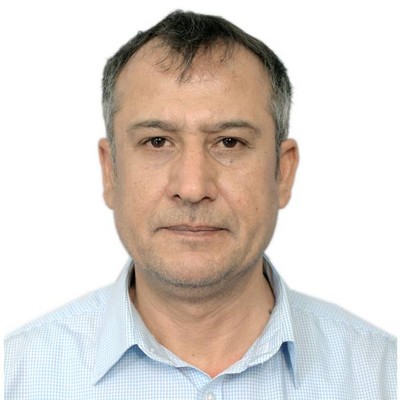
ammer abdalhussein abbas alhchaimi
Lecturer

ammer abdalhussein abbas alhchaimi

0Publications
0Lectures

About

Name: Amer Abdul Hussein Abbas Mohsen Al – Hajimi

Nationality: Iraqi

Place and date of birth: Dhi Qar _ Souk al-Shuyukh _ Karma Bani Saeed _ on 5/11/1966

Marital status: Married

Summary of his life:

He completed his elementary and secondary studies in his area _ Karma Bani Saeed _ and moved to Baghdad to complete the university. He participated in the popular uprising in 1991 and after the failure of the regime and the occupation of their cities and homes, he took refuge with his family to the border area of Salman with Saudi Arabia, and to Rafha camp in Najd where he stayed for about a year.
He Returned to Iraq after the fall of the former regime, but left Iraq back to Syria and remained until 2012, where he was forced to leave due to the outbreak of civil war to settle in Najaf and works as a professor at the Faculty of Law at the University of Kufa.

Educational attainment :

Bachelor of Law - University of Baghdad 1986_ 1990.

Hawzah studies _ Introductions and surfaces _ the estate of Imam Khomeini _ Syria _ 1992 _2001 and an external research student currently.

Bachelor of Sharia: Branch of Divinity _ Department of Philosophy and Islamic Wisdom _ Azad University 2008.

Master of Law - Department of Public Law - Islamic University of Lebanon – 2010.

PhD student at the Islamic University of Lebanon - Department of Public Law - the second year. Thesis title (relationship between the legislative and executive authorities under the permanent Iraqi constitution).

Work experience :

• Professor of Arabic Language and Literature in the departments of Sayeda Zeinab and Al-Mortada Institute for Islamic Sciences, Damascus 1990- 2012.

• Researcher and linguistic consultant in the Foundation of Ahl Albayt to revive the heritage _ Damascus 1990 _ 2012.

• Assistant Lecturer for the subject of The commandments and inheritance in the Faculty of Law _ Muthanna University _2013 to 2015.
• Assistant Lecturer of International Organizations at the Faculty of Law - University of Kufa 2015 since 2015 and until now.

Cultural and Literary Activity:

Poet and writer contributed to the revival of many religious ceremonies and national events in the Diaspora, and published a number of his literary articles in the newspapers and magazines of the former Iraqi opposition, and was a member of the Wednesday cultural forum in Sayeda Zeinab.

Printed and in print:

1. Al yakzanyat : It is a collection of poetic poems spoken in his son (Yakzan) leave for the poem of the great poet Mustafa Jamal al-Din, and has collected and arranged and comment on it _ printed from Dar al-Mahja _ Beirut 2006.

2. Freedom of opinion and its credibility in the media and strike: Legal research submitted for the diploma.

3. The Iranian nuclear program in the light of international law: a written legal research submitted to the Islamic University in Beirut to obtain a master's degree _ Zain Legal Library _ Beirut – 2012 .

4. Rassafi's views on politics, religion and the meeting between truth and deception ,It is divided into two sections: the first section reviews his life, his literature, his political and scientific opinions, and the second section comments and responses on his book entitled: The Iraqi Message in Politics, Religion and Society.

5. Poetry book in print.

6. Poetic evidence in the approach of rhetoric: under work.

Publications

3
2016-2017

مبداء الفصل بين السلطات وتمايز الانظمة السياسية في ضوئه

Authorsمجلة الكوفة للعلوم القانونية والسياسية - جامعة الكوفة - كلية القانون
Journalمجلة الكوفة للعلوم القانونية والسياسية - جامعة الكوفة - كلية القانون
Abstract

إن مبدأ الفصل بين السلطات من أهم المبادئ التي قامت عليها الديمقراطيات الحديثة، ويعني توزيع وظائف الدولة على هيئات مستقلة تباشر السلطة طبقا للدستور والقانون دون استبداد أو طغيان وقد تعددت أساليب تطبيقه حسب العلاقة التي تنشأ بين كل سلطة وغيرها من السلطات، ومن هنا تمايزت الأنظمة السياسية، حيث قام بعضها على أساس التعاون والمراقبة المتبادلة بين السلطات – النظام البرلماني، وأخذ بعضها بمبدأ الاستقلال التام – النظام الرئاسي، في حين أخذ بعضها بنظام دمج السلطات وتبعية الهيئة التنفيذية للهيئة التشريعية – النظام المجلسي أو حكومة الجمعية. وتأتي أهمية البحث في المبدأ – رغم كثرة الكتابات فيه – من أهميته القانونية والسياسية، كونه أهم الضمانات الكفيلة للدولة القانونية، كما تأتي أهمية البحث فيه من خلال معرفة مدى التطور القانوني والسياسي الذي طرأ على المبدأ مؤخرا لا سيما مع تزايد وظائف وصلاحيات السلطة التنفيذية، ولعل كل ذلك –أيضا- كان من دواعي البحث وأهدافه. وتكمن إشكالية البحث في مفهوم مبدأ الفصل بين السلطات والمعنى المراد منه، فهل قصد به الفصل التام والجامد أم أريد به الفصل المرن؟ هذا من جانب، ومن جانب آخر هل لا زال المبدأ يحظى بالأهمية نفسها إبان ظهوره كسد منيع أمام التسلط والاستبداد وكحارس للحريات، أم فقد تلك الأهمية مع ترسخ الديمقراطيات واستقرار مفهوم الدولة القانونية؟! وقد اتبعت في مطالب البحث المنهج التاريخي الوصفي – كما في المطلب الأول – ومنهج التحليل العملي – كما في المطلب الثاني والثالث – وفي ضوء ما تقدم من إشكالية البحث، فقد قسمته الى ثلاثة مطالب وخاتمة، كالآتي:

2012

التنظيم القانوني لاستخدام الطاقة النووية

Authorsمكتبة زين الحقوقية والادبية - بيروت
Journalمكتبة زين الحقوقية والادبية - بيروت
Abstract

الحمدُ لِلّه الذي لا يجور والعادل الذي لا يحيف الذي "علّم الإنسان ما لم يعلمْ"( ) والصلاة والسلام على أشرف المرسلين سيدنا محمّد وآله الطاهرين وصحبه المنتجبين. وبعد: فإن بحثنا الموسوم >دراسة ملفّ البرنامج النووي الإيراني في ضوء قواعد القانون الدولي<، يقتضي التقدمة المنطقية للتعريف به وبيان أهمّيته وإشكالياته، والدواعي لاختياره والأهداف المرجوّة منه، مع ذكر المنهج المتّبع في فصوله ومباحثه؛ تمشّياً مع أصول الدراسات البحثية الحديثة؛ ولكي يكون الناظر فيه على بيّنةٍ من مضمونه وخطّته، فمقدّمة الكتاب لسانُه وترجمانه. كما لابد قبل التعريف بالموضوع من نبذة لبيان أهميّة الطاقة النووية وآثار اكتشافها على الإنسانية. منذ فجر الخليقة والإنسان يبحث عن مصادر الطاقة؛ لحاجته الماسة لها، وقد وهبه الخالق تعالى جميع ما يحتاج إليه في هذه البسيطة, وهيّأ له سبل العيش والبقاء بعد أن جعله خليفته: إِنِّي جَاعِلٌ فِي الأَرْضِ خَلِيفَةً( ). فكان للفحم أولاً ومن بعده النفط والغاز، ثم الكهرباء، الأثر الأكبر في توليد الطاقة، إلا أن تناقص المخزون العالمي منها، وما تسبّبه من تلوث بيئي( )، حدا بالإنسان في عصر التطور العلمي إلى اكتشاف الطاقة النووية، التي اعتبرت حدثاً تاريخياً، وقفزة علمية نقلته إلى العصر الذرّي( )، غير إنّ شرور الإنسان وما يتملّكه من غرائز الانتقام والتسلّط، دفعته إلى استخدامها بما يخالف الطبيعة العلمية، فكانت الصدمة مهولةً بصناعة القنبلة النووية واستخدامها عام 1945 في التدمير، ومنذئذٍ - ومع ازدياد سباق التسلح - والبشرية تعيش حالةً من الهلع وعدم الاستقرار؛ فتعالت صيحات العالم الحرّ، وتكاثفت الجهود الدولية - وعلى رأسها منظمة الأمم المتحدة - لإحلال الأمن والسلام، بوضع قواعد قانونية للسيطرة على هذا السلاح والحدّ من انتشاره، وصولاً إلى نزعه كاملاً، وما زالت الجهود مستمرّة ولعلّها تفلح يوماً، فالإنسانية أمام خيارين؛ إمّا السلام؛ وإمّا الدمار الماحق. ولقد أدى اكتشاف الطاقة النووية، وما قام به اليهود من دورٍ في التعتيم والتلاعب بها، إلى تبدّل خريطة العالم السياسية؛ باحتكار الدول الكبرى أسرارها بشقّيها – السلمي والعسكري – واعتبارها عنصر تفوّقٍ وأداةً للضغط والابتزاز السياسي؛ فتعاملت مع باقي دول العالم بفظاظةٍ واستعلاء بعد أن حوّلت البحث العلمي فيها إلى وحشٍ سياسيًّ لاستعباد الشعوب تارةً، والتلاعب بموازين الحرب والسلم وقلب موازين القوى تارةً أخرى، خصوصاً في منطقة الشرق الأوسط؛ للسيطرة عليها ونهب ثرواتها؛ والمحافظة على بقاء وتفوّق الكيان الصهيوني الذي زرعته في قلبها.

2024

The Concept of Proportionality in the Context of International Humanitarian Law and Its Customary Basis

AuthorsAuricle Global Society of Education and Research
JournalContemporary Readings in Law and Social Justice
Date2024-06-16
Abstract

Understanding the development of the IHL rule on proportionality in treaty law can help states and organizations ensure compliance with international humanitarian law during armed conflicts. Recognizing proportionality as a customary IHL rule can guide decision-making processes in military operations to minimize harm to civilians and civilian objects. The paper provides an overview of the development of the IHL rule on proportionality in treaty law. It discusses the existence of proportionality as a customary IHL rule. The paper discusses the development of the rule on proportionality in international humanitarian law (IHL) in treaty law. It also explores the existence of proportionality as a customary rule in IHL. The findings indicate that proportionality is a pragmatic principle designed to restrict the extent of harm caused by military actions. The principal mandates that the military advantage sought must be commensurate with the tools and techniques of battle used. The efficacy of this approach becomes apparent during combat operations, as the conflicting parties must exert maximum effort to strike a balance between the military advantage gained and the accompanying collateral damage. We have also shown the conventional character of the idea, as validated by the legal decisions of international courts. Given the significance of the idea, it is desired that world legislators clearly include the principle in the documents of international humanitarian law. Furthermore, it is anticipated that the International Committee of the Red Cross will prioritize the concept in its regular publications and elucidate its significance.

Lectures

5
View details