مواقع التدريسيينجامعة الكوفة
0Publications
0Lectures
0Interests
0News

About

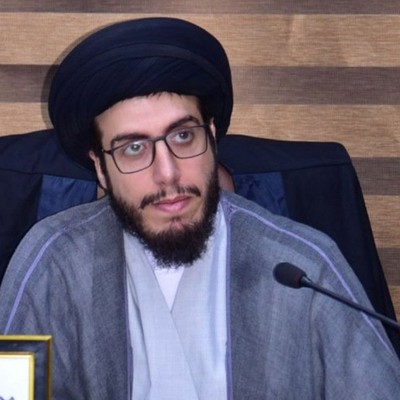
• He progressed through Hawza (Islamic seminary) studies from introductory levels to the advanced "Bahth al-Kharij" (external research) stage, where he studied Fiqh (Islamic jurisprudence), Usul (principles of Islamic jurisprudence), and Rijal (science of narrators). He attended advanced Sutuh studies under the guidance of Sayyid Muhammad Ali al-Hilu (may Allah have mercy on him) and Sayyid Ahmad al-Safi (may Allah preserve him). He then attended Bahth al-Kharij studies under the tutelage of his father, Sayyid Abu al-Hasan Hamid al-Muqaddas al-Ghurayfi (may his shadow be extended), and under Sheikh Baqir al-Irwani (may Allah preserve him).

• His academic journey began from elementary and middle school through to his graduation from high school with a focus on the scientific track. He enrolled in the Faculty of Fiqh at the University of Kufa, majoring in Islamic Jurisprudence and its Principles, where he obtained a Bachelor's degree. He later pursued a Master's degree in Sharia at the College of Imam al-Kadhim (peace be upon him) University for Islamic Studies.

• He has taught several Hawza courses in Fiqh and Usul.

• At the Islamic University in the Diwaniyah branch, he taught Usul al-Fiqh (Principles of Islamic Jurisprudence), Logic, Theology, and Islamic Thought.

Books and Publications:

1. Preventive Medicine in Islamic Jurisprudence: The Case of COVID-19

2. Doubts about Taqleed (emulation of religious authority)

3. Rumors in Islamic Jurisprudence

4. Master’s Thesis: The Non-Textual Evidences and Their Role in Jurisprudential Deduction (A Fundamental Study According to the Imamiyyah School)

Additionally, he has other unpublished manuscripts.

Research Papers:

1. Child Custody Rulings in Islamic Jurisprudence

2. Prophetic Conduct in Imamiyyah Usul al-Fiqh

3. The Authority of Consensus in Islamic Law

4. The Importance of Religious Outreach Using Contemporary Media Tools And others…

Discussion Sessions:

1. He held a discussion session in the Department of Quranic and Linguistic Studies at the Islamic University titled "The Authenticity of Linguistic Expressions," which explores deriving legal rulings through linguistic expressions, in 2022.

Research Interests

3

Publications

3

السيـــــــرة فـــي أصـــول الفقـه الامامـي

Authorsمحمدباقر حميد كمال الدين جواد, مجلة كلية الفقه
Journalكلية الفقه - جامعة الكوفة
Abstract

لّما كانت السيرة من الأدلة المهمة في الشريعة الإسلامية، لاستخراج الاحكام الفقهية، كان ولابد من الاعتناء بها، وبحثها، من خلال معرفة أنواعها وحجيتها، وموضوعاتها، حيث تشكل السيرة جزءاً كبيرة في الفقه الإسلامي، لذلك عقدت هذا البحث لمعرفة مفهومها، والمسار التاريخي لها، وفي أي دليل تدخل ضمن الأدلة الأربعة، ثم بحثت أنواعها من حيث كونها عقلائية، ومتشرعية، وبحثت عن حجيتهما، وبيّنت الفرق بين سيرة العقلاء ودليل العقل، وبحثت عن سبب تقسيم السيرة إلى عقلائية ومتشرعية، وبعدها بحثت السيرة العقلائية المستحدثة، وبيّنت عدم حجيتها، ثم ذكرت الارتكاز العقلائي او المتشرعي وبينت مدى أرتباطه وتأثيره بالسيرة

الطب الوقائي في الفقه الإسلامي - فيروس كورونا أنموذجاً -

Authorsمحمدباقر حميد كمال الدين الغريفي
Journalمنشورات مكتب انصار الحجة (عج) الاسلامي
Abstract

بيان الاحكام الفقهية المتعلقة بفيروس كورونا

الاشاعة في الفقه الاسلامي

Authorsمحمدباقر حميد كمال الدين الغريفي
Journalمنشورات مكتب انصار الحجة (عج) الاسلامي
Abstract

يتحدث الكتاب عن الاحكام الفقهية المرتبطة والمتعلقة بالاشاعة

Lectures

2

نظرة تمهيدية لعلم الاصول

اصول الفقه

نظرة تمهيدية للفقه الاسلامي

الفقه الاسلامي

News & Announcements

2
News 2026-05-12

College of Jurisprudence Discusses Doctoral Dissertation on the "Rule of Commonality" Among Usulists

The College of Jurisprudence at the University of Kufa has discussed the doctoral dissertation entitled "The Rule of Commonality Among Usulists" (Qaidat al-Ishtirak) submitted by the researcher Mohammed-Baqir Hameed Kamaluddin al-Guraifi. The defense committee comprised the following distinguished scholars: Prof. Dr. Sadiq Hassan Ali al-Tufayli – Chair Prof. Dr. Jabbar Kadhim Shanbara al-Mulla – Member Prof. Dr. Kawakib Baqir Ahmed Sharif – Member Prof. Dr. Batool Farooq Mohammed Ali – Member Prof. Dr. Haydar Hassan Diwan al-Asadi – Member Prof. Dr. Hadi Hussein Hadi al-Kar'awi – Member and Supervisor Scope of the Study The dissertation examined the Rule of Commonality through three primary applications: The commonality of legal rulings between the learned and the ignorant. The commonality of rulings between those directly addressed (during the era of revelation) and those non-existent at the time. The commonality of rulings despite shifting conditions and circumstances. Significance and Central Thesis This research represents an in-depth scholarly endeavor to delve into the philosophical structure of Islamic legislation. It explores the foundations that underpin its immortality and continuity, as the Rule of Commonality is considered one of the major Usuli (legal theory) theories that govern the comprehensiveness of the Divine discourse and define its extension across different eras and contexts. The study’s central problem revolves around interpreting the permanence of the Divine discourse amidst the transformations of time and space. It seeks to clarify whether the Divine address was exclusive to those present during the era of the text's revelation or if it serves as a universal law that encompasses the present and the absent, the learned and the ignorant, and all successive generations until the Day of Judgment.

News 2024-11-12

Doubts about Taqleed (emulation of religious authority)

Doubts about Taqleed (emulation of religious authority)

View details