
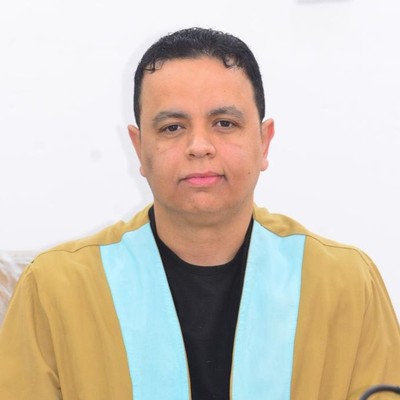
الشيخ حسين معن ودوره الفكري والسياسي في العراق 1955-1980 Sheikh Hussein Maan and his intellectual and political role in Iraq 1955-1980
الملخص تمكن الشيخ حسين معن ان يحقق نجاحا مدوياً على الصعيدين الفكري الديني والسياسي فقد شق طريقه في حوزة النجف الاشرف ليتخطى بسنوات معدودة مراحل دراسية تحتاج لسنوات طويلة, ليكون بذلك احد ابرز علمائها وواحدا من نوابغها, وما ساعده في ذلك هو احتضانه ورعايته وتتلمذه على يد مفكر العصر الامام الشهيد محمد باقر الصدر الذي كان قدوة ومرجعاُ ومعلما ومرشدا له, فكان لهذه الرعاية الاثر الابرز والاكبر في دراسته فضلا عن امكانيته الفريدة مكنه ذلك بان يكون استاذا لامعا في اوساط الحوزة العلمية, كذلك فانه ترك ارثاً علمياً ليس بالقليل من المؤلفات الفكرية النيرة على الرغم من سنوات عمره التي لم تتجاوز ال 25 سنة, اما على الصعيد السياسي فكان انتماؤه الى حزب الدعوة الإسلامية منطلقا لتحقيق واحداً من اهم اهدافه الا وهو اقامة عمل اسلامي منظم يتصدى لإنشاء دولة يكون الاسلام ومبادئه وتعاليمه هي الحاكمة فيها, فضلا عن انه ادرك خطورة بقاء حكم العراق في يد سلطة حزب البعث المنحل وما ستؤول له الأمور من مآسي اذا استمرت تلك السلطة في حكمه, لذلك سخر كل حياته للعمل الاسلامي ومقارعة ومواجهة تلك السلطة المتجبرة وهو يدرك تماما ان معارضته تلك السلطة ستقود في النهاية الى استشهاده وهذا ما كان يتمناه وهذا ما حصل في عام 1980. Abstract Sheikh Hussein Maan achieved resounding success on both the intellectual, religious, and political fronts. He forged his path in the Najaf seminary, surpassing in a few years levels of study that typically require many years, thus becoming one of its most prominent scholars and a genius. What aided him in this was his mentorship and guidance under the leading thinker of the age, the martyred Imam Muhammad Baqir al-Sadr, who served as his role model, authority, teacher, and guide. This mentorship had the most significant and profound impact on his studies, in addition to his unique abilities, enabling him to become a brilliant professor within the seminary. Furthermore, he left behind a considerable scholarly legacy of insightful intellectual works, despite his young age of only 25. On the political front, his affiliation with the Islamic Dawa Party was a starting point for achieving one of his most important goals: establishing an organized Islamic movement to create a state governed by Islam, its principles, and its teachings. Moreover, he recognized the danger of Iraq remaining under the rule of the dissolved Ba'ath Party and the consequences that would ensue. Things would be tragic if that authority continued to rule him, so he devoted his whole life to Islamic work and to fighting and confronting that tyrannical authority, fully aware that his opposition to that authority would ultimately lead to his martyrdom, and that is what he wished for, and that is what happened in 1980.