
About
Personal Information
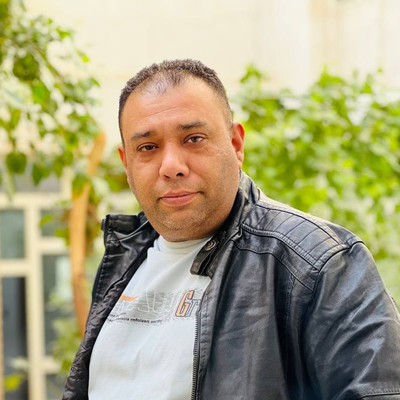
Hussam Hatem Muslim Sharif, born in 1980
Holder of a bachelor's degree in 2005 in law
Holder of a master's degree in 2023 in international humanitarian law, general section
Participated in many training courses related to the legal and administrative field and leadership skills
I hold the position of head of the Legal Opinion and Consultations Department at the University of Kufa
Research interests
I have an interest in reviewing all the laws, instructions, regulations and controls related to my administrative field of work, which qualifies me to plead before civil, criminal and administrative courts
Practical experience
Preparing and drafting legal regulations
Providing legal consultations
Participating in the membership of investigation and audit committees
Preparing and reviewing draft contracts and commitments
Managing subordinates and developing a training program to develop their capabilities
Languages
Arabic
English
Persian
Research Interests
2Publications
7Constitutional dialogue between the supreme courts and the legislative authority: A study of the mechanisms of interpretation and consensus to overcome crises of legislative vacuum
Research Summary: The findings from this research reveal how communication between the Supreme Court of LaPorte County and the State Legislature are important mechanisms to combat legislative vacuums caused by the inability to produce new laws. The role of the Supreme Court is not solely to evaluate the constitutionality of statutes; the court is also an active participant in the legislative process. The court serves as an additional check on the powers of all three branches of government; however, its most important role is its ability to mediate between conflicting legislative bodies. This discussion centers on the Court's ability to interpret the constitution whereby it raises what was meant by "literal meaning" to an entirely different level through interpretations by changing Kelsen's pyramid of legal systems from the bottom up to reflect the original intents of the Constitution through its constitutive character. The way the Court interprets the constitution is a fundamental defining process that establishes legislative boundaries on the basis of supreme constitutional tenets, thereby eliminating any legislative vacuum that results from legislative ambiguity, conflict, or delay. Legislative voids, or instances where there are no legal texts, conflicting legal texts, or legal texts that no longer reflect current law, create an opportunity for the judiciary to step into a legislative role through their interpretation. This interpretation will supplement existing legal rules; therefore, Parliament must comply with the Constitution when they rewrite/update their laws. This relationship between the judiciary and Parliament should not be viewed as adversarial; rather, it is a partnership that promotes an environment where the authority of the judiciary is respected while simultaneously maintaining the authority of the people through the action of their representatives in Parliament. These partnerships will only succeed if there are clearly established mechanisms in place to facilitate dialogue between/to interpret the laws. For example, statutory provisions that establish the required procedures for these partnerships are necessary; judicial review committees; and legally required interpretations of certain statutes to ensure that the courts can provide binding interpretations of statutes in a manner consistent with the Constitution without infringing on the separation of powers as established in the Constitution. Through these established mechanisms, the courts will begin to move from an adversarial participant (i.e., the court being the one to determine whether or not an act or statute is constitutional) to a collaborative partner with Parliament in establishing the constitutional framework of the state, thereby strengthening the legal foundations of the state, and alleviating the state of the ongoing constitutional crises associated with legislative voids.
قصف المستشفيات في غزة خلال حرب 2023-2025: انتهاك منهجي للقانون الدولي الإنساني
العقوبات البديلة وإعادة التأهيل وفقاً للمعايير الدولية، العمل المجتمعي والسوار الإلكتروني، العراق أنموذجاً
المعايير المزدوجة في تطبيق القانون الدولي الإنساني:دراسة حالة غزة وأوكرانيا
الحماية القانونية للتراث الثقافي غير المادي أثناء النزاعات المسلحة: منظور تحليلي
في هذا البحث ، أستكشف الحماية القانونية للتراث الثقافي غير المادي أثناء النزاعات المسلحة ، مع التركيز على الإطار المفاهيمي والقانوني المحيط بهذا الشكل من التراث. أبدأ بتعريف التراث الثقافي غير المادي وفقا لاتفاقية اليونسكو لعام 2003، مع تسليط الضوء على أهميته والعناصر التي يتألف منها، مثل اللغة والتقاليد الشفهية والممارسات الاجتماعية. ثم أحلل الأطر القانونية الدولية، بما في ذلك اتفاقية لاهاي لعام 1954 ودور اليونسكو في صون التراث الثقافي على الصعيد العالمي. يتحول تركيزي إلى فعالية الحماية القانونية المقدمة أثناء النزاعات المسلحة، لا سيما من خلال البروتوكولين الإضافيين لعام 1977، وأقيم مدى انطباق هذه الحماية على التراث غير المادي. علاوة على ذلك ، أقوم بتقييم فعالية الاتفاقيات الدولية ذات الصلة والسوابق القضائية من محاكم مثل المحكمة الجنائية الدولية ليوغوسلافيا السابقة. تتناول الأطروحة أيضا التحديات العملية في حماية التراث غير المادي، بما في ذلك صعوبات التوثيق وخطر الاختفاء. وأخيرا، أقترح استراتيجيات لتعزيز الحماية الدولية من خلال تحسين الأطر القانونية، والتوثيق الرقمي، والتعاون الثقافي الدولي، مع تقديم توصيات للمجتمع العالمي والمؤسسات الثقافية لحماية التراث الثقافي غير المادي بشكل أفضل.
الجرائم الإلكترونية العابرة للحدود والمسؤولية عنها وفقاً لقواعد القانون الدولي
يهدف هذا البحث إلى تحليل الإشكاليات القانونية المعاصرة المتعلقة بالجرائم الإلكترونية ذات الطابع العابر للحدود، في ضوء قواعد القانون الدولي الجنائي، فمع تصاعد هذه الظاهرة بات من الضروري تفكيك المفاهيم التقليدية للمسؤولية والاختصاص والسيادة، ينطلق البحث من فرضية مفادها أن النظام القانوني الدولي بصيغته الكلاسيكية يعجز عن استيعاب البنية اللاجغرافية واللامادية للجرائم الإلكترونية، ما يستلزم إصلاحاً مفاهيمياً وتشريعياً عميقاً ، ويعتمد منهجاً وصفياً تحلياً لتفصيل الطبيعة القانونية للجرائم الإلكترونية، وتحليل أركانها، وأسس المسؤولية عنها سواء في بعدها الفردي أو الدولي، كما يسلّط الضوء على التحديات التقنية والإجرائية في الإثبات والتتبع، وغياب اتفاق دولي شامل، رغم المبادرات الأممية والإقليمية، ويختم البحث بتقديم تصور متكامل لتحديث القواعد الدولية لمساءلة مرتكبي الجرائم الإلكترونية العابرة للحدود وتفعيل قواعد المسؤولية الجزائية والمدنية بشأنها، مع التركيز على أهمية التعاون الدولي والتقنين التشريعي والتعويض الدولي، لتفادي إفلات الجناة من العقاب وضمان أمن المجتمعات الرقمية.