
مواقع التدريسيينجامعة الكوفة
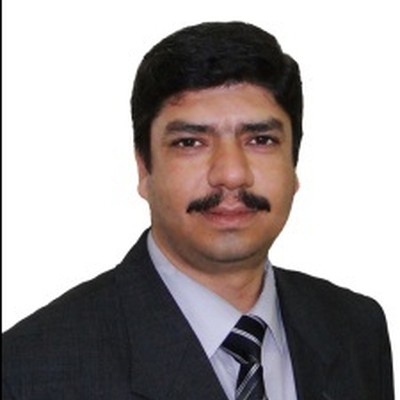
علي هادي عباس النعماني
أستاذ مساعد

علي هادي عباس النعماني

English Version
0بحث منشور
0محاضرة
0اهتمام بحثي
0خبر

الملف الشخصي

- بكالوريوس في الطب والجراحة البيطرية/ كلية الطب البيطري/ جامعة القادسية 1999.
- ماجستير علوم في الطب البيطري/كلية الطب البيطري/ جامعة بغداد 2002.
- التعيين كتدريسي في كلية الطب البيطري/ جامعة القادسية من 2003-2009.
- تدريسي في كلية الطب البيطري/ جامعة الكوفة 2009-
- المشاركة كمحاضر بعدد من الندوات الخاصة بالأمراض المشتركة بين الأنسان والحيوان كمرض أنفلونزا الطيور والسل البقري وداء الأكياس المائية.
- المساهمة كمحاضر حول الأمراضية والتغيرات المرضية التي تحدثها جرثومة حمى مالطا في الحيوانات في المؤتمر الذي عقدته الهيئة العامة للبيطرة في عام 2010 بمناسبة أنتهاء المرحلة الأولى من برنامج تلقيح الحيوانات ضد مرض حمى مالطا في العراق وبالتعاون مع منظمة الأوبئة العالمية.

- 2018 دكتوراه من جامعة ليفربول/المملكة المتحدة.

- المشاركة في تدريس وتدريب مجاميع طلابية تتكون من مايقارب 20 طالباً جامعياً من طلاب المرحلة الأولى في البايولوجي الطبي في مادة التطبيقات العملية في البايولوجي الطبي العام.. للعامين الدراسيين 2014-2015 و 2015-2016/ جامعة ليفربول/ المملكة المتحدة.
- عضو المجلس البريطاني لعلماء الطفيليات 2014- .

- المؤتمرات الدولية:
1- المشاركة في مؤتمر المجلس البريطاني لعلماء الطفيليات 2014 جامعة كامبرج/ المملكة المتحدة.
2- المشاركة في مؤتمر علم الجينوم 2016 جامعة ليفربول/ المملكة المتحدة.
3- عرض بوستر خاص بالخارطة الجينية لطفيلي المثقبيات الكونغولية ((جزء من نتائج مشروع الدكتوراه)) مؤتمر أبحاث طلبة الدراسات العليا في جامعة ليفربول/ المملكة المتحدة 2016.
4- المشاركة والقاء محاضرة عن تركيب الكروموسومات الصغيرة في طفيلي المثقبيات الكونغولية والجينات التي تحويها ودورها في معيشة الطفيلي في الدورة الدموية للبائن (جزء من نتائج مشروع الدكتوراه) في مؤتمر المجلس البريطاني لعلماء الطفيليات 2017 جامعة دندي الأسكتلندية/ المملكة المتحدة.
5- عرض بوسترخاص بالتغيرات الكروموسومية بين طفيلي مثقبيات فيفاكس ومثقبيات بروس ودورها في أختلاف الأمراضية ودورة الحياة بين الطفيليين (جزء من نتائج مشروع الدكتوراه) في مؤتمر علم الجينوم ومشروع انشاء عشرة آلاف خارطة جينية للحيوانات الفقرية 2017/ جامعة شرق أنكليا/ المملكة المتحدة.

- أجتياز الدورة التدريبية حول علم الوراثة الوظيفي والأنظمة البايولوجية: المقامة في معهد سانكر في كامبرج المجمع الجامعي في هنكستون والمتضمن برنامج أكاديمي مكثف لمدة عشرة أيام تم فيه القيام بتجارب مختبرية وتحليلها وحضور محاضرات لعلماء مختصين في هذا المجال من مختلف الجامعات العالمية وكذلك التدريب على البرامجيات المستخدمة في تحليل نتائج هذه التجارب/2016.
- الندوة التدريبية الخاصة بتصميم التجارب بغية الدقة العلمية وتقليل أستخدام الحيوانات المختبرية في التجارب البحثية والمقامة من قبل مكتب الشمال الغربي الأنكليزي لتقليل أستخدام الحيوانات المختبرية(RRR)/ جامعة ليفربول/ المملكة المتحدة/ 2017.

- حضور وأجتياز الكورسات الدراسية الخاصة بطلبة الدراسات العليا في جامعة ليفربول/ معهد البايولوجي المتكامل. قبل البدء ببحث الدكتوراه وهي:
1- علم الأحصاء العام.
2- أحصاء متقدم خاص بالبيانات الكبيرة الناتجة عن تجارب السكونسنغ بأستخدام منصة آر للبرامج الأحصائية.
3- المعلوماتية للعلوم الصحية والبايولوجية.
4- المعلوماتية مابعد الجينوم.
5- البرمجة بلغة بيرل PERL وبايوبيرل BIOPERL.
- حاصل على شهادة أجتياز كورسي:
- BACTERIAL GENOMES: FROM DNA TO PROTEIN FUNCTION USING BIOINFORMATICS
و
BACTERIAL GENOMES: DISEASE OUTBREAKS AND ANTIMICROBIAL RESISTANCE
من معهد سانكر في كامبرج بالأشتراك مع الكلية الملكية البريطانية للباثولوجيين عام 2018.
- Bacterial Genomes: Accessing and Analysing Microbial Genome Dat .
من معهد سانكر في كامبرج بالأشتراك مع الكلية الملكية البريطانية للباثولوجيين في شباط 2019.

- خبرة في تنصيب وتشغيل برامج البايوانفورمتك ضمن نظام الللينكس أو ماك والتي تستخدم في تحليل المعلومات البايولوجية خصوصا نتائج متتاليات الأحماض النووية.
- خبرة في العمل على نظام لينكس وماك من أجل تحليل ملفات المعلومات البايولوجية الضخمة با ستخدام AWK و SED وغيرها من الأدوات المستخدمة بنظام لينكس وماك.

الاهتمامات البحثية

18

البحوث المنشورة

6
2025

Analysing genome sequences and associated metadata during the COVID-19 pandemic in Iraq revealed points to be improved: An observational retrospective study

الباحثونAli Hadi Abbas، oula Al-Zebeeby , Mohammed Al-Saadi, Ahmed Jasim Neamah
المجلةPLOS One
التاريخ2025-06-30
مختصر البحث

The COVID-19 pandemic started in Wuhan China and rapidly transmitted worldwide, the illness is characterised by respiratory manifestations like coughing, breathing difficulties and pneumonia that could lead to death. Real-time whole genome sequencing of severe acute respiratory syndrome corona virus 2 (SARS-CoV-2) was adopted in many countries to track the infection dynamics and evolution of the virus. In parallel with the global efforts, genome sequencing trials were established in Iraq during the COVID-19 pandemic, however, this new approach has not been assessed yet. Therefore, for better readiness and improvement for future pandemics, here we obtained all genomes of SARS-CoV-2 virus from Iraq (182) that were deposited in National Center for Biotechnology Information (NCBI) during the period (2020–2023). Statistical analyses of sample size, distribution and other epidemiological parameters from associated metadata, as well as the quality of genome sequences were assessed. Our data analyses highlighted some drawbacks that could be improved, namely, that most genomic sequences (62%) were collected from only two cities, a low sample size was noticed and sequencing quality was inconsistent. There was a shortage and impairment of sequencing facilities especially those of the Ministry of Health. Consequently, genome sequencing should be achieved in centres that produce the best quality. The results revealed the importance of well-documented and high-quality sequences that represent many important cities in the country, which is crucial to draw a clear projection for health officials on infection dynamics and tracking viral evolution to help in taking successful steps towards infection control.

2024

The First Record of an Aggressive Form of Ocular Tumour Enhanced by Marek’s Disease Virus Infection in Layer Flock in Al-Najaf, Iraq

الباحثونAoula Al-Zebeeby، Ali Hadi Abbas, Haider Abas Alsaegh, Furkan Sabbar Alaraji
المجلةVeterinary Medicine International
التاريخ2024-09-30
مختصر البحث

Marek’s disease (MD) is a highly infectious poultry illness with a tendency to form tumours in peripheral nerves and internal organs of affected birds. Tumours accompany MD, mostly caused by oncogenic Gallid alpha herpesvirus 2 (MD Herpes virus serotype I). Studies on avian tumours associated with MD infection are limited in Iraq. In the presented study, the positive samples of ocular tumour were 168 out of 282 MD positive samples, which accomplished in farm suffered from an unexpectedly high mortality rate. We investigated a rapidly developed tumour mass that was observed in an MD-vaccinated layer flock that showed obvious clinical signs of MD, accompanied by forming a small lump in one eye at age 21 weeks, which developed to a big lump at week 28 of age, leading to death. The diagnosis MD infection was confirmed by a Polymerase Chain Reaction (PCR) amplification of a specific region of the target gene meq of the causative agent, followed by Sanger sequencing and BLASTn search of the sequence against the NCBI nucleic acid database, resulted in Gallid alpha herpes virus 2 strain, and according to the phylogenetic analysis, the sequence from this study was uniquely clustered in its own branch in the tree. Histopathological examination of the ocular tumour core revealed aggregation of neoplastic cells and haemorrhage that replaced the normal eye tissue, as well as early tumour formation in internal organs such as the lung and liver. In addition, abnormal lesions are susceptible to tumours in the gizzard and spleen. To our knowledge, this is the first record of an aggressive MD virus infection-mediated ocular tumour in a layer flock in Al-Najaf province, Iraq.

2024

Typhi Mykrobe: fast and accurate lineage identification and antimicrobial resistance genotyping directly from sequence reads for the typhoid fever agent Salmonella Typhi

الباحثونDanielle J. Ingle
المجلةGenome Midicine
التاريخ2024-10-24
2021

Sequence diversity and evolution of infectious bursal disease virus in Iraq

الباحثونAli Hadi Abbas ، Haider Abas AL saegh, Furkan Sabbar ALaraji
المجلة F1000Research
مختصر البحث

Background: Infectious Bursal Disease (IBD) is a highly infectious disease which causes huge economic losses to the poultry industry due to the direct impact of the illness and indirect consequences such as decreasing the general immunity of the flock, leaving it naive to other diseases. In Iraq, IBD is highly prevalent despite vaccination programs, yet studies on sequence diversity of the causative virus are still rare. Methods: A sample from Bursa of Fabricius from an IBD outbreak in a flock in the city of Najaf in Iraq was smeared on an FTA card. Amplicons of targeted regions in VP1 and VP2 genes were generated and sequenced. Sequences were then compared with other local and global sequences downloaded from GenBank repositories. Sequence alignment and DNA sequence analyses were achieved using MUSCLE, UGENE and MEGAx software. The molecular clock and sequence evolutionary analyses were applied using MEGAx tools. Results: The strain sequenced in this study belongs to a very virulent Infectious Bursal Disease Virus (vvIBDV) as the DNA and phylogenetic analysis of VP1 and VP2 gene sequences showed a mutual clustering with similar sequences belonging to vvIBDV genogroup 3. Analyses of the hyper variable region of VP2 gene (hvVP2) of IBDV isolates from Iraq indicates a presence of sequence diversity. Interestingly, the two vaccine strains Ventri IBDV Plus and ABIC MB71 that showed the highest sequence similarity to the local isolates in the hvVP2 region are not used in vaccination routine against IBDV in Iraq. Conclusion: Sequences of vvIBDV in Iraq are diverse. Remarkably, some of the available vaccine strains show high sequence similarity with local strains in Iraq; however, they are not included in the routine vaccination programs. Analysis of more samples involving more geographical regions is needed to draw a detailed map of antigenic diversity of IBDV in Iraq.

2019

roadmap for rapid molecular differential characterisation of human pathogenicCandida species

الباحثونAyat Al-laaeiby، Ali Hadi Abbas
المجلةEurAsian Journal of BioSciences
مختصر البحث

AbstractThe PCR technique is a promising technique used to establish accurate identification methods to gain precise results. The incidence of yeast infections has increased dramatically coinciding with thebreakout of HIV infections. A quick and affordable diagnostic procedure is crutial in the quest to tacklesuch infections. In this study, a detailed diagnostic framework was designed to help in the rapididentification of pathogenicCandidaspecies. A sum of 17 Candidaspecies were involved in thisanalysis and a common conserved region of rRNA was detected to design primer pairs for in-silicoPCR. Restriction Fragment Length Polymorphism (RFLP) was used for species identification. One universal primer was designed to amplify the conserved region in all species, while two others werespecific to particular species. Results showed that the PCR-RFLP technique (by using the universalprimer No.1) identified 10 speciesClavispora lusitaniae, C. Cyberlindnera,C. asseri by unique restriction enzymeHinfI, C. carpophilaand C. quercitrusa usingHphI and,C. glabrata, Wickerhamomyces anomalus usingPhoI whileP. kudriavzevii andC. viswanathii usingBglI and BseGI respectively. Moreover,C. albicans PCR was identified by double restriction enzymesStuI and BspOI. The PCR-RFLP analysis has identified 7 species using primer pair No.2. These speciesareC. parapsilosis and Lodderomyces elongisporus by AatI and AcvI respectively. The Cleavage of PCR products using Bst4CI has identified four species (C. glabrata, C. lusitaniaeandC. tropicalis). C. dubliniensis was identified by double restriction enzymes (DraI+ ApoI). Meanwhile,C. orthopsilosiswas identified through DraI digestion of virtual PCR product (primer pair No.3). All together, these results showed that PCR-RFLP technique is an efficient and rapid method used to scrutinise accurateresults by computational based methods before being applied in the Lab. This study set up for a detailed guideline for an accurate, quick diagnostic procedure without any need for the sequencing step.K

2018

The Structure of a Conserved Telomeric Region Associated with Variant Antigen Loci in the Blood Parasite Trypanosoma congolense

الباحثونAli Hadi Abbas، Sara Silva Pereira, Simon D'Archivio, Bill Wickstead, Liam J Morrison, Neil Hall, Christiane Hertz-Fowler, Alistair C Darby and Andrew P Jackson
المجلةGenome Biology and Evolution GBE
مختصر البحث

Abstract African trypanosomiasis is a vector-borne disease of humans and livestock caused by African trypanosomes (Trypanosoma spp.). Survival in the vertebrate bloodstream depends on antigenic variation of Variant Surface Glycoproteins (VSGs) coating the parasite surface. In T. brucei, a model for antigenic variation, monoallelic VSG expression originates from dedicated VSG expression sites (VES). Trypanosoma brucei VES have a conserved structure consisting of a telomeric VSG locus downstream of unique, repeat sequences, and an independent promoter. Additional protein-coding sequences, known as “Expression Site Associated Genes (ESAGs)”, are also often present and are implicated in diverse, bloodstream-stage functions. Trypanosoma congolense is a related veterinary pathogen, also displaying VSG-mediated antigenic variation. A T. congolense VES has not been described, making it unclear if regulation of VSG expression is conserved between species. Here, we describe a conserved telomeric region associated with VSG loci from long-read DNA sequencing of two T. congolense strains, which consists of a distal repeat, conserved noncoding elements and other genes besides the VSG; although these are not orthologous to T. brucei ESAGs. Most conserved telomeric regions are associated with accessory minichromosomes, but the same structure may also be associated with megabase chromosomes. We propose that this region represents the T. congolense VES, and through comparison with T. brucei, we discuss the parallel evolution of antigenic switching mechanisms, and unique adaptation of the T. brucei VES for developmental regulation of bloodstream-stage genes. Hence, we provide a basis for understanding antigenic switching in T. congolense and the origins of the African trypanosome VES.

المحاضرات

10

Inflammation

التطبيقات العملية للبيايولوجي الطبي/ جامعة ليفربول/كلية الصحة وعلوم الحياة

الأمراض المشتركة

الامراض المشتركة

Virus replication

Classification of viruses

virus isolation and propagation

families of viruses: Orthomyxoviridae

Introduction to bacteriology

General Microbiology

Mycobacterium Tuberculosis

Special Microbiology

Coronaviridae

Virology

الأخبار والإعلانات

9
الأخبار 2026-10-10

هانتا فايرس طرق الانتقال والعلامات المرضية

اقمة ندوة توعوية جامعة الكوفة بالتعاون مع هيئة شباب محافظة النجف ووحدة شؤون المرأة في الجامعة.

الأخبار 2026-05-12

نشر بحث حول السالمونيلا البكتيريا المسببة للحمى التايفوئيد

نشر الباحث معمجموعة من الباحثين العالميين بحثامهماً حول المعلومات العالمية لانتشار بكتيريا السالمونيلا والمقاومة الدوائية

الأخبار 2024-01-25

ورشة عمل بعنوان تقنيات التعرف على تسلسل القواعد النيتروجينية للمادة الوراثية

التعريف بالتقنيات المستخدمة لمعرفة تسلسل القواعد النيتروجينية للكائنات الحية أو أختصار فك الشفرة الوراثية و أساسيات عمل كل تقنية وفوائدها وأستخداماتها بالمجالات البايلوجية والطبية.

الأخبار 2023-05-11

Reviewer in Iraqi Journal of Veterinary Sciences

I've been chosen as a reviewer in the Iraqi Journal of Veterinary Sciences.

الأخبار 2023-03-20

إنتشار البروسيلا في العالم

تم استضافة البروفسور جفري فوستر العالم المتخصص بالبروسيلا البكتيريا المسببة لحمى مالطا في الأنسان والحيوانات الكترونيا عبر منصة الزووم وقد قام بإعطاء آخر النتائج من البحوث العالمية لانتشار هذه البكتيريا في العالم.

الأخبار 2018-03-17

المشاركة في المؤتمر الدولي لمجلس علماء الطفيليت البريطاني و المقام في جامعة كامبرج 2014.

حضور المؤتمر الدولي الخاص بمجلس علم الطفيليات البريطاني والمقام في جامعة كامبرج. إذ تم عرض القاء الكثير من البحوث والبوسترات حول المسببات المرضية الطفيلية..

الأخبار 2018-03-17

المشاركة بالمؤتمر الدولي لعلوم الجينوم في جامعة ليفربول 2016

تم الطرح بحوث مختلفة حول بحوث الجينوم الخاصة بالكائنات الحية عموماً والفقريات والأنسان خصوصاً.

الأخبار 2018-03-17

المشاركة في المؤتمر الدولي لمجلس علماء الطفيليت البريطاني و المقام في جامعة دندي الأسكتلندية عام 2017

أعطاء محاضرة حول تركيب الكروموسومات الصغيرة والجينات التي تحتويها هذه الكروموسمات (جزء من نتائج بحث الدكتوراه الخاص بي) لما لها من أهمية بأستخدامها للتهرب من مناعة الحيوانات المصابة.. هذا النوع من الكروموسمات تمتاز بها الطفيليات المثقبية trypanosomes إذ تقوم بتنشيط الجينات المتواجدة في هذه الكروموسمات خلال الطور الدموي في اللبائن.

الأخبار 2018-03-17

عضو مجلس علماء الطفيليات البريطاني منذ عام 2014 ولحد الآن.

عرض التفاصيل