مواقع التدريسيينجامعة الكوفة
0Publications
0Lectures
0Interests

About

Personal Data:
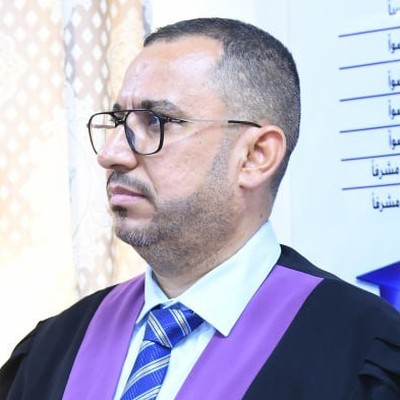
Name: Ammar Razzaq Hassan Al-Shemary
Place and date of birth: Najaf 15/1/1981
Nationality: Iraqi
Social status: Married
Children: Layan born on 8/6/2017
The scientific title: Assistant Lecturer
E-Mail: [email protected]
Phone number: +964 7831471255
Work address: University of Kufa /College of Engineering/Materials Engineering Department
Home adress: Iraq/ Najaf/ Al Mukarramah District/No. House 9620
National Card Number: ID: 198186138139 Issuer / Directorate of Nationality and Civil Information on 27/11/2017
Civil Status ID Number: ID number: 00116421
Department: Abbassiya Record: 107 AD Newspaper: 125 dated 3/10/2016
Certificate of Iraqi Nationality: Number: 727828 Issuer / Karbala on 19/6/1997
Passport number: A13889985 Issuer / Najaf on 25/7/2018
ID number of Engineers Syndicate: Registration Number: 107102 Date of Admission: 14/6/2004

Academic Qualification:

First University Degree (Master's or equivalent ):
Name of Degree: Master
Date degree awarded: 29/6/2010
College: College of Engineering/Materials Engineering department.
Name and location of university: University of Technology/Iraq/ Baghdad.
Period: 2 years.
Specialization: General.
Title of Thesis: Effect Of Flaming Thermal Spraying Parameters On Wear Rate Of Medium Carbon Steel

Second University Degree (Bachelor,s or equivalent):
Name of Degree: Bachelor's
Date degree awarded:29/7/2003.
College: College of Engineering/Materials Engineering Department
Name and location of university: University of Technology/Iraq/ Baghdad.
Period: 4 years.
Specialization: General.

Employment History:

Appointment and date of university order: Issue (4184) on 26/10/2003

First Job:
Job Address: University of Technology/ Materials Engineering Department /Iraq/ Baghdad.
Period: from 26/10/2003 - 12/11/2012.
Scientific Rank: Assistant Lecturer.
Nature of Work: Lecturer in Materials Engineering Departments.

Second Job:
Job Address: The University of Kufa /College of engineering/Iraq.
Period: from 12/11/2012 - Present.
Scientific Rank: Assistant Lecturer.
Nature of Work: Lecturer in Materials Engineering Departments.

The Missions of Work:

Teaching the following subjects for Materials Engineering department:
• Metallic materials (theoretical material / first stage)
• Production processes (theoretical material / first stage)
• Extraction metallurgy (theoretical material / first stage)
• Heat treatment (theoretical material / third stage / general materials)
• characterization of material (material theory / third stage / medical materials)
• Laboratory of the principles of metal engineering (first stage)
• Laboratory of non-metallic materials (first stage)
• Laboratory of Metal (second stage)
• Laboratory of heat transfer and fluid (second stage)
• Laboratory of Material resistance (second stage)
• Laboratory of Heat treatment (third stage / general materials)
• Laboratory of Material Labeling (Third stage / Medical Materials)

Supervision: Undergratuate Students: There are many projects were done.

Research Interesting:
Medical materials, nanomaterials, heat treatments, material characterization and metal extraction

Publications:

[1] Effect of the roughness and temperature of the surface of the base material on the mechanical properties of the coating layer (nickel - aluminum) sprayed thermally by flame.Accepted. (Scopus indexes)
[2] Study the possibility of recycling Damaged Thermostone in Thermostone Najaf plant. Accepted. (Scopus indexes)
[3] Ammar R.H., 2016, "Effect of change in particle size of the powder coating (Ni- Al) thermally sprayed by flame on the mechanical properties of the coating layer", Muthanna Journal of Engineering and Technology, Vol. (4), No. (1), Pp. (43-50).
[4] Dr. Ali Hussein Ateey, Dr. Fadel Attia Jeyad, Ammar Razaaq Hasan, (2011), "Effect of Flame Thermal Flame Factors on Wear Resistance to Medium Carbon Steel", Iraqi Journal of Mechanical Engineering and Materials Engineering, Vol. (11), No. (3).

Research Interests

2

Publications

4
2018

Study the Possibility of Recycling Damaged Thermostone in Thermostone Najaf Plant

AuthorsAmmar Razzaq Hasan عمار رزاق حسن, Khaldoon Hussein Hamzah خلدون حسين حمزه
JournalInternational Journal of Engineering & Technology
Abstract

Research include the possibility of benefiting from a damaged thermostone and output from several sources, including manufacturing and damaged operations during transportation and the user to measure the durability other from other sources as substitutes for Raw Materials involved in thermostone industry while maintaining the quality of the product and its properties and thus reducing the raw materials consumed in production processes where it was noted that the compensation of 15% of each of sand and cement. Thermostone mix give the results of the power of good bear while maintaining on its properties and that the compensation cement results were better than the compensation sand and therefore can benefit from a damaged Thermostone in recycling.

2018

EFFECT OF THE ROUGHNESS AND TEMPERATURE OF THE SURFACE OF THE BASE MATERIAL ON THE MECHANICAL PROPERTIES OF THE COATING LAYER (NICKEL - ALUMINUM) SPRAYED THERMALLY BY FLAME

AuthorsAmmar Razzaq Hasan عمار رزاق حسن , Al-Hadrayi Ziadoon M.R and Ibrahim Joodi Hadi زيدون محمد راهي وابراهيم جودي هادي
JournalInternational Journal of Mechanical Engineering and Technology (IJMET)
Abstract

In this research, the thermal coating process was carried out using flame spraying technique using a gas mixture of oxygen and acetylene for the purpose of obtaining a surface layer of nickel-aluminum(metco450) coating on the surface of medium carbon steel type (AISI 1050) which provide an increase in surface properties and compensation of the base material when lost due to friction or wear. The research was carried out in three successive stages. The first stage included the preparation of the specimens and the design of the base surface of these specimens and Preparation of powder coating and analysis of chemical components for base material and powder coating. The second stage included the implementation of the coating process of (nickel-aluminum) powder by using the flame spray. The coating process was carried out in different ways for each model by changing the different spraying factors, which included the surface roughness of the specimens and the surface temperature of the specimens before the coating process. The third stage of the research included mechanical testing procedures of the coating layer. The tests showed that adhesion increases with increasing surface roughness of the sample prior to coating and the best adhesion is obtained when the base surface of the sample is heated to a temperature of (350 ºC) before the coating process. The resistance of the coating layer to wear is increased with the roughness of the base material surface of the sample due to the increased adhesion of the coating layer and the best resistance to wear when heating the surface of the base material of the sample before coating to temperature (350 ºC). The hardness of the coating layer is increased by increasing the roughness of the surface of the base material of the sample before the coating process and the best surface hardness of the coating layer when heating the surface of the base material of the sample before the coating process to (350 ºC).

2016

تأثير التغير في الحجم الحبيبي لمسحوق طلاء (نيكل- المنيوم) المرشوش حراريا باللهب على الخواص الميكانيكية لطبقة الطلاء Effect of change in particle size of the powder coating (Ni- Al) thermally sprayed by flame on the mechanical properties of the coating layer

AuthorsAmmar Razzaq Hasan عمار رزاق حسن
Journalمجلة المثنى للعلوم الهندسية
Abstract

في هذا البحث تم إجراء عملية الطلاء الحراري بإتباع تقنية الرش باللهب من خلال استعمال خليط غازي مكون من الأوكسجين والإستيلين لغرض الحصول على طبقة سطحية من طلاء النيكل- المنيوم(metco450) على سطح الفولاذ المتوسط الكربون نوع (AISI 1050). توفر زيادة في الخواص الميكانيكية السطحية للمعدن المستعمل وتعويض الأجزاء المفقودة من السطح نتيجة عملية البلى. نفذ البحث بثلاث مراحل متلاحقة, تضمنت المرحلة الأولى تحضير النماذج وتهيئة السطح الأساس لهذه النماذج وكذلك تحضير مسحوق الطلاء وتحليل المكونات الكيمياوية للنماذج ومسحوق الطلاء. بينما تضمنت المرحلة الثانية تنفيذ عملية الطلاء(نيكل- ألمنيوم) باستخدام جهاز الرش باللهب وقد أجريت عملية الطلاء بطرائق مختلفة لكل نموذج من خلال التغير في الحجم الحبيبي لمسحوق الطلاء. أما المرحلة الثالثة من البحث فقد تضمنت إجراء الاختبارات القياسية المتمثلة باختبارات فحص الالتصاقية, فحص الخشونة, فحص البلى وفحص الصلادة لطبقة الطلاء علاوة على إجراء الفحص المجهري لطبقة الطلاء والسطح الأساس. حيث أوضحت النتائج إن زيادة الحجم الحبيبي من (25µm) إلى (75µm) أدت إلى زيادة معدل البلى وانخفاض في التصاقية طبقة الطلاء, كما لوحظ زيادة خشونة طبقة الطلاء بزداد الحجم الحبيبي لمسحوق الطلاء, كما ادى زيادة الحجم الحبيبي لمسحوق الطلاء الى انخفاض في صلادة طبقة الطلاء.

2011

تأثير عوامل الرش الحراري على مقاومة البلى للفولاذ متوسط الكربون Effect of Thermal Spray Parameters on Wear Resistance for Medium Carbon Steel

Authorsم.م.عمار رزاق حسن, أ.م.د.علي حسين عتيوي أ.م.د.فاضل عطية جياد
Journalمجلة جامعة بابل للعلوم الهندسية
Abstract

في هذا البحث تم إجراء عملية الطلاء الحراري بإتباع تقنية الرش باللهب من خلال استعمال خليط غازي مكون من الأوكسجين والإستيلين لغرض الحصول على طبقة سطحية من الطلاء السيراميكي على سطح الفولاذ المتوسط الكربون نوع (AISI 1050). والتي توفر زيادة في الخواص السطحية للمعدن المستعمل المتمثلة في مقاومة البلى. نفذ البحث بثلاث مراحل متلاحقة, تضمنت المرحلة الأولى تحضير النماذج وتهيئة السطح الأساس لهذه النماذج وكذلك تحضير مساحيق الطلاء وتحليل المكونات الكيمياوية للنماذج ومساحيق الطلاء. بينما تضمنت المرحلة الثانية تنفيذ عملية الطلاء الرابط (نيكل- ألمنيوم) والطلاء الرئيسي (الالومينا) باستخدام جهاز الرش باللهب وقد أجريت عملية الطلاء بطرائق مختلفة لكل نموذج من خلال التغير في عوامل الرش المختلفة, والتي تضمنت خشونة السطح الأساس للنماذج, درجة حرارة السطح الأساس للنماذج قبل عملية الطلاء, المسافة بين منفث مسدس الرش وسطح النموذج وسمك طبقة الطلاء. أما المرحلة الثالثة من البحث فقد تضمنت إجراء اختبار البلى علاوة على إجراء الفحص المجهري لطبقات الطلاء المتتالية والسطح الأساس. تم التوصل إلى أفضل المتغيرات التي تعطي أعلى التصاقية واقل معدل بلى. حيث أوضحت النتائج إن زيادة الخشونة من (0.85µm) إلى (10.50 µm) أدت إلى انخفاض معدل البلى بنسبة تصل إلى حوالي أكثر من (51%) أي أكثر من النصف, أما أفضل درجة حرارة يسخن فيها السطح الأساس قبل عملية الطلاء للحصول على اقل معدل للبلى تتراوح بين (200 ºC) إلى (300 ºC). بينما المسافة المثلى بين فوهة جهاز الرش و السطح الأساس تتراوح بين (150 mm) إلى (200 mm) والسمك الأمثل لطبقة الطلاء تتراوح بين (0.15 mm) إلى (0.5 mm) للحصول على أفضل طبقة طلاء ذات اقل معدل بلى.

Lectures

1

ميتالورجيا الإستخلاص

View details